Monad Cards started as a thank-you note to Crypto Twitter and ended up as one of the better-paid social credentials of the 2025 airdrop cycle. When the Monad Foundation published its MON airdrop results, card holders turned out to have received fixed allocations of tens of thousands of MON each. That history explains why the 2026 community wave has drawn so much attention, and why so many fake “Monad Card claim” pages have appeared around it. This guide covers what Monad Cards are, how each wave chose its recipients, what the cards actually paid out, how to check the current wave, and what the cards do not promise.
What Monad Cards are
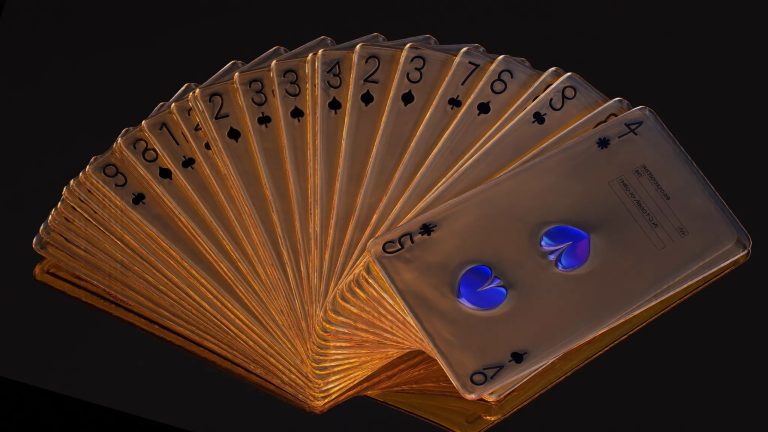
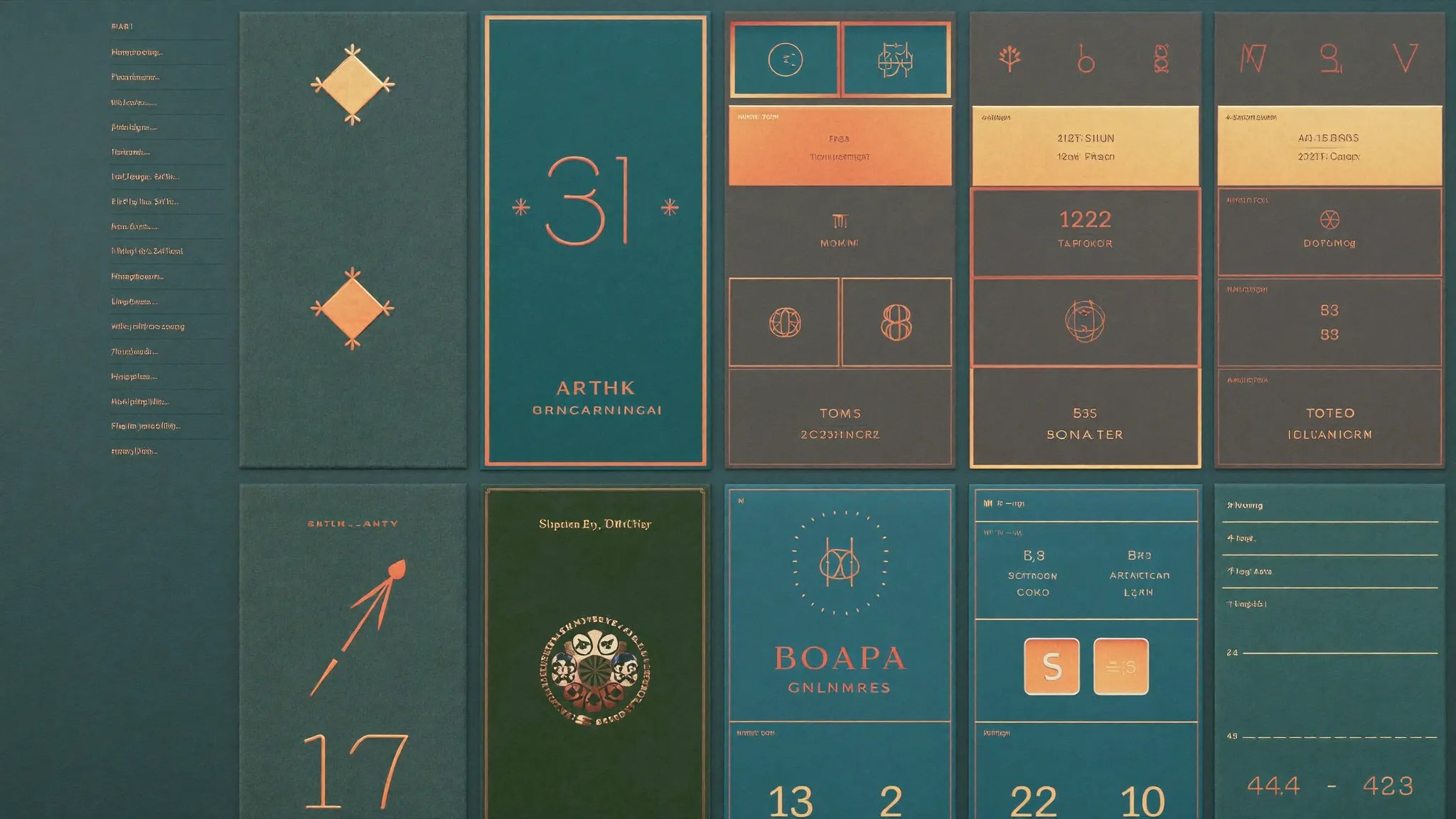
The Monad Cards site frames each card as a thank-you gift from Monad to the people who make up crypto’s conversation on X. Each card is a personalised digital collectible tied to an X account, published by the Monad Foundation. In the site’s own words, Monad Cards began as an initiative to expand the Monad world by distributing unique cards to members of Crypto Twitter and has since grown to include members of the Monad community.
Cards are not a token, a points balance or a ticket to a sale. They are a recognition layer the Foundation uses to identify people it considers real participants in the crypto conversation. That is also why they ended up mattering for the MON airdrop: they were one of the signals the Foundation used to find genuine accounts.
For context, Monad itself is a high-performance, EVM-compatible layer 1. Its public mainnet launched on November 24, 2025, and the native token is MON. Technical background is in the Monad developer docs, and the ecosystem directory lives at app.monad.xyz.
How the first two waves picked recipients
Monad Cards launched in August 2025. The selection method was deliberately different from the usual task-and-points model:
- Wave 1, reputation graph. Around 5,000 accounts were identified through what the Foundation calls a reputation-network approach designed to reflect the social graph of Crypto Twitter. In practice it looked at accounts followed by many reputable people across different crypto verticals. There was nothing to farm: you were either in the graph or not.
- Nominations. Each Wave 1 holder could nominate up to three mutuals. Monad said 10,000 nominations would be accepted on a first-come, first-served basis, and nominees went through the same manual review as the original list.
- Wave 2. In early September 2025 Monad co-founder Keone Hon announced that roughly 4,000 more Crypto Twitter members, largely drawn from those nominations, were eligible to claim, with an eight-day window to do so.
The structure rewarded being known by people who are themselves known. Follower count alone did not decide anything, and engagement farming did not help, which is part of why the cards gained credibility as a signal.
What the cards turned out to be worth
When cards launched, Monad made no promise of tokens. The payout became clear only after the MON airdrop, whose claim portal ran from October 14 to November 3, 2025. The Foundation’s post The MON Airdrop Results gave fixed figures for card holders:
| Group | MON received |
|---|---|
| Monad Cards Wave 1 recipients | 88,888 MON |
| Monad Cards Wave 2 recipients | 38,888 MON |
| Card recipients who never claimed their card | 18,888 MON |
These sat inside the airdrop’s Crypto Community track, which covered 46,017 accounts and 897 million MON, of which about 70.8% was claimed. Across all tracks the airdrop made 4.73 billion MON available to 289,000 eligible accounts, and about 3.33 billion MON (roughly 70.4%) was claimed. Claimed tokens were held in escrow and released to claimer wallets on mainnet day.
Two details matter for anyone reading those numbers today. First, even people who were selected but never claimed their card got an allocation, so the Foundation was rewarding the selection itself, not the act of clicking a claim button. Second, that airdrop is over. Its claim portal closed on November 3, 2025, and anything not claimed by then is gone.
The 2026 community wave
In spring 2026 the Monad Cards site added a third, broader round that it calls the community wave. According to the site’s FAQ, participants were chosen for “sticking around”: being present on Monad’s Discord, Telegram or X for eight or more days since the start of the year, with a verifiable X account. The snapshot was taken at midnight UTC on March 31, 2026.
A few points follow from that wording:
- The snapshot has already been taken. Joining Discord today or posting about Monad on X will not add you to this wave.
- The criteria reward consistency over time rather than volume. Eight separate days of presence counted; a burst of activity on one day did not.
- An X account is the identity anchor. Accounts that could not be verified were not eligible, whatever their Discord history.
The Foundation has not attached a MON amount, a sale allocation or any other financial benefit to the community wave. The earlier waves only revealed their value after the fact, and nothing official says the same will happen again.
How to check your card, step by step
- Type the address yourself. Go to cards.monad.xyz directly, or follow the link from an official Monad post on X. Do not click card links from replies, DMs or Telegram groups.
- Use Check Eligibility. The site states that account linking is not required to check, so a simple lookup should not ask you to connect a wallet or sign anything.
- View your card if you have one. Eligible accounts can view their card through the View Your Card option. Read the result on the page itself rather than trusting screenshots shared by others.
- Treat any payment request as a red flag. The official page has never charged a fee to check eligibility, and a request for a “gas deposit” or “activation fee” is a scam sign.
- Keep your X account secure. Because cards are tied to X identities, enable two-factor authentication and review which third-party apps have access to your account.
What a card does and does not promise
It is tempting to read the 2025 payouts as a rule. They are not. The Foundation chose to reward card holders in the MON airdrop; it did not announce in advance that it would, and it has made no commitment about future distributions. A card is best understood as a recognition signal that other projects may also choose to read. Fluent, for example, said in January 2026 that holding a Wave 1 card was one of the factors in its own tier assessment. That is Fluent’s decision, not a Monad commitment, and it applied to Wave 1 specifically.
What a card does not do: it does not entitle you to MON beyond what was already distributed, it does not give you an allocation in any sale, and it does not make you eligible for partner airdrops unless those partners say so themselves.
Risks specific to Monad Cards
- X account takeover. A card is linked to your X identity. Phishing aimed at X logins, often disguised as “card verification”, is the most direct way to lose it.
- Impersonation of the Foundation. Accounts copying the @monad handle, the purple branding or Keone Hon’s name are common in replies to official posts.
- Wallet drainers dressed as card claims. A fake page may ask you to connect a wallet and sign a “free mint” that is really a token approval or a Permit signature.
- Over-reading social signals. Spending money or time to “qualify” for an unannounced future reward is a bet on something the Foundation has not offered.
- Sybil filtering. The selection process is manual and reputation-based. Clusters of new or coordinated accounts are unlikely to pass review, and trying can get a genuine account flagged too.
How to recognise fake Monad Card pages
The genuine properties are cards.monad.xyz, monad.xyz, app.monad.xyz and docs.monad.xyz. The official X account is @monad. Common fakes include lookalike domains with extra words (monad-cards, monadcard-claim), pages promising a “card airdrop” of MON in 2026, and sites that ask for a seed phrase to “link” a wallet. The MON airdrop claim portal closed in November 2025; any page claiming to reopen it is fraudulent.
FAQ
Can I still get a Monad Card?
Not by doing something today. The community wave snapshot was taken on March 31, 2026. If you were active enough before then, the eligibility checker will show it.
How much MON did card holders receive?
According to the Foundation, 88,888 MON for Wave 1, 38,888 MON for Wave 2, and 18,888 MON for recipients who never claimed their card. Those amounts were part of the October to November 2025 airdrop, which is closed.
Does a community wave card come with MON?
Nothing official says so. No token amount has been announced for the 2026 wave.
Do I need to connect a wallet to check eligibility?
No. The official site says account linking is not required to check, so be wary of any checker that insists on a wallet signature.
Verdict
Monad Cards are one of the rare airdrop-era projects where the selection could not be farmed and the reward arrived without being promised. That track record makes the 2026 community wave worth checking if you were part of Monad’s Discord, Telegram or X community early in the year. It does not make the card a coupon for future tokens. Check through the official site, keep your X account locked down, and be suspicious of anyone who says a card entitles you to more MON.
This is general information rather than advice. Crypto rewards are discretionary, and a compromised wallet or X account is rarely recoverable.