
Airdrop farming still gives crypto users something few strategies can match: asymmetric upside without the need to ape into every token launch. In Q1 2026, the smarter play is not chasing whatever is trending on social media. It is building exposure across ecosystems that are still early, still rewarding activity, and still shaping their user base.
Some of the strongest opportunities right now sit across testnets, Layer 2 networks, trading apps, quest platforms, and gamified ecosystems. A few require real on-chain activity. Others are free to farm. What matters most is consistency. Projects rarely reward the people who show up once at the last minute. They tend to favor users who interact early and keep coming back.
Here are 10 crypto airdrops worth paying attention to in Q1 2026.
1. ARK Network
ARK Network looks like a serious testnet candidate for anyone building a Q1 farming portfolio. It has already been circulating in airdrop circles for a while, and the main appeal is straightforward: it is still in testnet, it has multiple dApps, and users can build activity without putting real capital at risk.
That alone makes it attractive. Testnets are often where early users can get the cleanest exposure before an ecosystem becomes crowded. With ARK, the best approach is not overthinking it. Use the available dApps, stay active, and build a natural footprint across the network.
Why it matters: early-stage testnet exposure with several participation paths.
How to farm it: interact across the ecosystem consistently instead of doing a single burst of activity.
2. Superchain / Optimism Ecosystem
The Superchain remains a powerful airdrop narrative because it is not tied to a single app or one isolated chain. It is a full OP Stack ecosystem, and that scale is what makes it interesting. Users farming across multiple Superchain networks may be better positioned if future Optimism-related rewards take broad ecosystem activity into account.
This is not the kind of opportunity you farm once and forget. It rewards routine. The more consistently a user interacts across different networks, builds volume, and stacks transactions, the stronger the on-chain signal becomes.
Why it matters: deep ecosystem exposure across multiple Layer 2 networks.
How to farm it: use different Superchain networks regularly and stay active over time.
3. Titan
Titan stands out for one simple reason: it is easy to use. For Solana users, that matters. There is no complicated learning curve here. The farming thesis is built around swapping, generating volume, and staying visible on the platform.
The bigger narrative is competition. If Titan wants to carve out a bigger role in the Solana ecosystem, rewarding loyal users would be a logical move. That is exactly why it remains worth tracking.
Why it matters: simple farming flow on Solana with a plausible user-reward angle.
How to farm it: swap back and forth, build volume, and keep the activity looking organic.
4. Forte
Forte has a different feel from the usual high-volume farming opportunities. This one is more about early recognition than brute-force transaction count. The current path appears to run through quest completion, especially through Galaxy and the Pioneer Stone flow.
That can be more valuable than it looks. When a network is still quiet, early participants often carry more weight than users who flood in later after the hype begins. Forte fits that kind of setup well.
Why it matters: low-friction quests in an ecosystem that still feels early.
How to farm it: finish the available tasks quickly and monitor for new opportunities before the crowd arrives.
5. Decibel
Decibel brings a different angle because it sits on Aptos and revolves around a perps DEX testnet. That makes it more hands-on than a simple social quest campaign. Users are not just clicking buttons. They are trading, building volume, and trying to perform well in a test environment.
That structure will appeal to a specific type of farmer. If you enjoy perp-style trading or want to practice in a no-risk environment, Decibel offers a more interactive route than most free testnet plays.
Why it matters: free Aptos-based testnet farming with trading behavior at the center.
How to farm it: trade consistently, aim for positive PnL, avoid wash-style behavior, and hold positions longer when possible.
6. Feros
Feros has been around long enough to reward users who stick with it. By Q1 2026, it has already gone through multiple phases, and the Atlantic testnet continues to give users fresh actions to complete. Daily check-ins, faucet usage, quests, NFTs, and badges all feed into the broader participation story.
This is not a flashy farm. It is a consistency farm. The users most likely to benefit are the ones who keep showing up, not the ones who rush in only when rumor season gets loud.
Why it matters: layered participation across recurring testnet actions.
How to farm it: collect faucet tokens, check in daily, complete new quests, and grab badges or NFTs when available.
7. Tempo
Tempo feels like the type of testnet that could get very large very quickly if the ecosystem keeps building momentum. A big part of its appeal comes from structure. Superboard makes it easier to work through native quests without manually hunting through every app in the network.
That sounds like a small convenience, but it matters. One of the easiest ways to farm badly is to miss tasks simply because the ecosystem is too fragmented. Tempo solves that problem better than most.
Why it matters: organized quest flow inside a high-upside testnet narrative.
How to farm it: complete as many ecosystem quests as possible and stay updated as new tasks go live.

8. Unichain
Unichain deserves more attention than it gets. It sits inside the broader Superchain and carries strong symbolic weight because of its connection to Uniswap. That history matters. Few names in crypto are as closely tied to legendary airdrop discussions as Uniswap.
That does not guarantee anything, but it does create a strong reason to stay active. If Unichain ends up rewarding users, the combination of network usage, ecosystem activity, and brand association could make it a meaningful play.
Why it matters: strong brand gravity plus OP Stack positioning.
How to farm it: use the network regularly, interact with live dApps, and keep building a steady record of activity.
9. Billions Network
Billions Network is much lighter operationally than some of the other names on this list. It leans more toward points, daily rewards, referrals, and simple tasks than deep on-chain complexity. For a lot of users, that is a feature, not a weakness.
Not every airdrop needs to come from a complex DeFi workflow. Sometimes the best addition to a farming portfolio is a low-friction ecosystem that rewards steady participation and community presence.
Why it matters: simple entry point with daily engagement mechanics.
How to farm it: claim daily rewards, complete social and profile tasks, and stay engaged in the community.
10. Abstract Network
Abstract Network has a more gamified feel than most of the other opportunities here. XP, badges, tiers, and daily ecosystem participation all play a role. That gives users several ways to progress instead of forcing them into one narrow farming path.
It is not necessarily the cleanest “in and out” airdrop opportunity. It is better suited for users who do not mind building score over time. The reward structure appears designed to favor people who stay involved rather than those who just show up for a day.
Why it matters: gamified progression model with repeatable ecosystem actions.
How to farm it: earn XP steadily, collect badges, and stay active enough to move up the reward tiers.
How to Approach These Airdrops More Strategically
The mistake most users make is trying to brute-force every opportunity the same way.
That does not work.
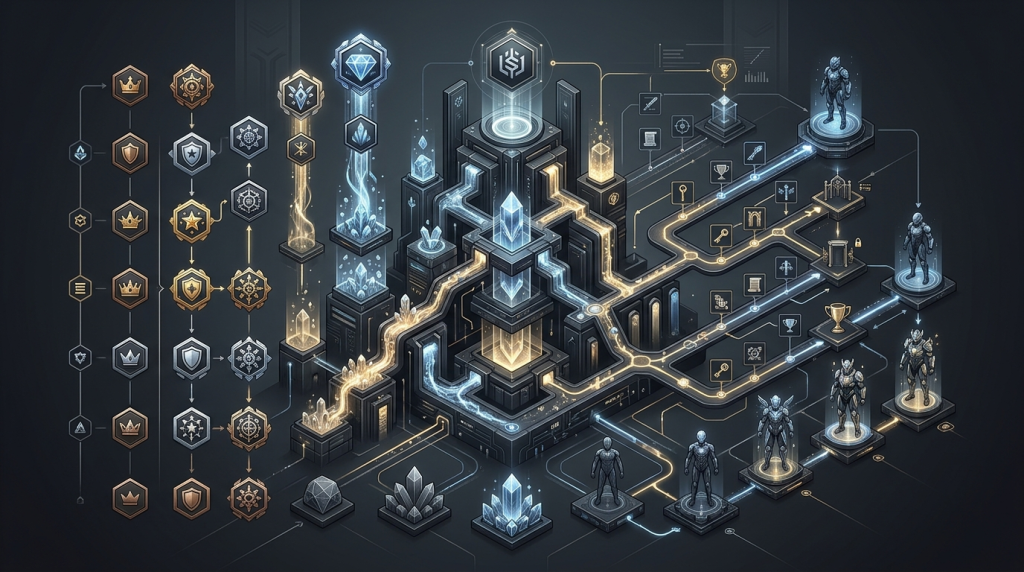
A better approach is to split them by type. Use ARK, Decibel, Feros, and Tempo as free or mostly free testnet exposure. Use Superchain, Unichain, and Titan for mainnet activity and transaction history. Use Forte, Billions, and Abstract for quests, points, XP, and community-style participation.
That mix gives you a more balanced setup. If one project disappoints, the whole strategy does not collapse.
Final Thoughts
Q1 2026 offers a strong mix of airdrop opportunities across testnets, Layer 2 ecosystems, Solana products, Aptos infrastructure, and gamified platforms. Some of these plays are easy to start. Others need more consistency. But they all reward the same basic behavior: show up early, stay active, and avoid treating farming like a last-minute scramble.
That is still where the edge lives.
FAQ
What are the best crypto airdrops to farm in Q1 2026?
Strong candidates include ARK Network, Superchain, Titan, Forte, Decibel, Feros, Tempo, Unichain, Billions Network, and Abstract Network.
Are these airdrops free to farm?
Some are fully free, especially testnets and quest-based ecosystems. Others require mainnet activity such as swaps, network usage, or repeated transactions.
Which airdrops are easiest for beginners?
Billions Network, Forte, and Abstract are easier starting points because they rely more on simple tasks, points, and repeated ecosystem usage. Titan is also approachable for users comfortable with basic Solana swaps.
Which opportunities fit advanced users better?
Superchain, Unichain, Tempo, and Decibel will likely appeal more to users who are comfortable with multi-network activity, structured testnet participation, and trading-style engagement.
What is the best farming strategy in 2026?
Build exposure across several categories at once: free testnets, active mainnet ecosystems, and point-based or quest-based platforms. That spreads risk and improves the chance of landing a meaningful reward.