A lot of t3rn guides still circulating were written in 2024, when the project was a testnet, executors earned BRN for every cross-chain order, and the token was a rumor. That world is gone. BRN has been converted to TRN, the mainnet has been live since the summer of 2025, and in January 2026 t3rn rebuilt its execution stack in a release it calls t3rn 2.0. Anyone setting up an executor or bridging through t3rn today needs a current picture, not a 2024 one.
This guide explains what t3rn and its executors do now, how the BRN airdrop actually worked, how to set up an executor from the official docs, and how to avoid the fake “BRN season 2” pages that keep appearing.
What t3rn does
t3rn is a cross-chain execution protocol. A user who wants to move assets from one chain to another creates an order; an executor, which is an independent operator running t3rn’s software, fills that order on the destination chain with its own funds and is then repaid with a fee on the source chain once the fill is proven. If something goes wrong, the protocol is designed to roll the order back so the user’s funds are refunded rather than stranded. t3rn has framed this as atomic cross-chain execution and has worked on standards such as ERC-7683 for cross-chain intents.
The project has a long history. It started in the Polkadot ecosystem, acquired a parachain in 2023, and later moved its core to an Arbitrum Orbit chain built with Caldera, with a grant from the Arbitrum Foundation. Its official home is t3rn.io, and executor material is in the t3rn documentation.
From BRN to TRN: how the airdrop worked
t3rn announced its BRN airdrop program in August 2024. On testnet, both users and executors earned BRN for cross-chain transactions, and BRN was promised to be redeemable for TRN at the token launch. Testnet V1 closed on February 7, 2025, after processing a reported 114,729 users and 9,079 executors, and Testnet V2 went live on March 18, 2025 with an adjusted incentive model. Claims were capped at 20,000 BRN per user and 40,000 BRN per executor.
The TRN tokenomics, published in June 2025, fixed the supply at 100 million and set aside 10% for airdrops, half of it for converting BRN and half for quests, usage rewards and retroactive grants. A separate 16% went to executor incentives: 3% as liquidity at launch, 10% streamed over 36 months based on execution performance, and 3% as retainers for high-volume executors.
Before the claim opened, t3rn published an unusually detailed Sybil filter. It analyzed 185,480 wallets. Rings of 10 or more wallets were excluded and their BRN burned, about 4.9 million BRN in total, including one ring of 1,152 wallets. Clusters of 2 to 9 wallets controlled by one person could claim only through their highest-BRN wallet. Wallets in grey categories had to verify through Human Passport with a score of at least 20. The TGE and mainnet followed in the summer of 2025, and claims were handled through t3rn’s official airdrop site for verified wallets.
The practical point for 2026: the BRN conversion is finished. There is no BRN claim to complete today and no announced second BRN season.
What changed with t3rn 2.0 and the 2026 roadmap
Since mainnet, t3rn has added support for networks including Hyperliquid, Flow and Monad, introduced TRN staking and an automated TRN buyback program, and in December 2025 paused its on-chain governance. The bigger change came on January 30, 2026 with t3rn 2.0:
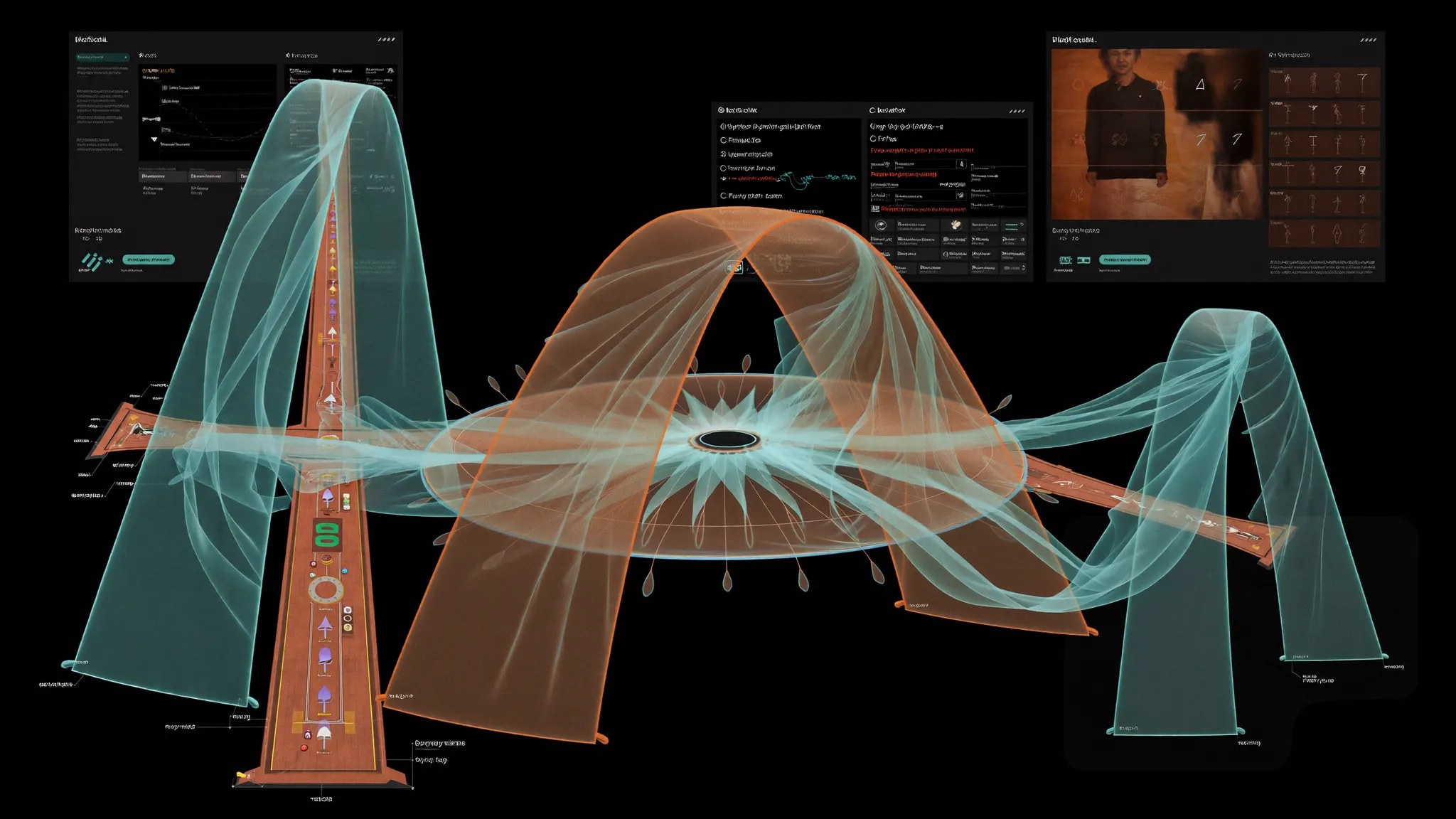
- Three separate contracts were merged into one architecture called LiquidityWellCompact, cutting gas for a typical execution from about 450,000 to about 135,000 according to t3rn.
- The reverse Dutch auction in which executors bid for orders was removed. Fee estimation and execution now happen in one step.
- Staked liquidity now fills orders and earns fees, which makes liquidity providers part of execution rather than a separate role.
- Orders that cannot execute because of missing liquidity are queued and retried automatically.
The 2026 roadmap, published in March, lays out the direction: permissionless solver participation and on-chain proof verification next, followed by a redesigned executor economy with a Solver SDK, and a DAO with revenue-backed staking later in the year. It also proposes splitting protocol fees between executors, TRN buybacks and DAO stakers. These are plans, so read them as direction rather than guarantees.
Setting up an executor from the official docs
The current executor documentation centers on Docker. The broad steps are:
- Prepare a clean server. Install Docker and Docker Compose from your operating system’s official packages. Do not reuse a machine that holds personal wallets.
- Choose a flavor. Mainnet has three predefined configurations: native assets, ERC-20 tokens such as USDC, and TRN. The testnet runs from its own compose configuration and is the right place to rehearse.
- Store the private key in a file, not an environment variable. The docs call the key the most sensitive value in the setup and recommend separate secret files per flavor.
- Configure networks and assets. Variables such as the enabled networks list, the enabled assets list and custom RPC endpoints control where your executor operates. Settings in the compose file override those in the environment file.
- Fund every enabled network. Executors front the destination-side funds. If your balance on a network falls below the threshold, the executor drops that network. You also need TRN on t3rn’s chain for gas.
- Pin the image version. The docs warn against the “latest” tag because it can contain breaking changes. Update deliberately with a pull after reading release notes.
- Run detached and watch logs. Use Compose detached mode, screen, tmux or systemd, and follow the logs to confirm orders are being picked up.
One caution: parts of the executor documentation still describe bidding in an auction, while t3rn 2.0 removed the reverse Dutch auction. Check the release notes and the current docs version together, and ask in the official Discord if they disagree.
Using the bridge as a regular user
For most people, t3rn is simply a bridge. Open the app from t3rn.io, connect your wallet, choose the source and destination networks and amount, and review the quoted fee before signing. The order is filled by an executor on the destination chain, usually in seconds. In its ten-week mainnet update, t3rn reported an average cross-chain transfer cost of under one cent, though fees depend on networks and conditions. Keep the transaction hash; if an order cannot be filled, the protocol’s refund path returns funds on the source chain.
Risks for executors and bridge users
- Executor capital at risk. Executors put their own funds on the line on every fill. Bugs, bad RPC data or failed repayments can mean losses, and profits depend on volume and fees that t3rn does not guarantee.
- Key exposure on servers. A hot key on a VPS is always exposed to the server’s security. Use a dedicated wallet with only the capital the executor needs.
- Protocol transition risk. A rebuilt contract architecture, a changing incentive model and a planned move to permissionless solvers all add uncertainty for operators during 2026.
- Token exposure. Executors need TRN for gas, and TRN price movements affect the economics of running one.
- Old community scripts. Many GitHub “one-command” executor installers were written for the 2024 testnet. They may be outdated, may ask for keys in unsafe ways, or may be malicious.

How to spot fake t3rn claims and installers
- Official sources: the website t3rn.io, the docs at docs.t3rn.io, the blog on t3rn.io, and the official X account @t3rn_io. Bridge and airdrop pages should be reached from those.
- “BRN season 2” or “unclaimed BRN” offers are not real. The BRN conversion has been completed and no new BRN program has been announced.
- Executor scripts that ask you to paste a seed phrase into a terminal prompt or a web form are a theft attempt. The official setup reads a private key from a local file you create yourself.
- Look-alike bridge domains spread through ads and replies. Check the domain carefully before connecting a wallet, and never sign unlimited approvals for a simple bridge transfer.
If you also follow other cross-chain or Layer 2 testnets, our Botanix testnet guide covers a similar mix of activity and claim scams.
FAQ
Can I still earn BRN?
No BRN program is active. BRN earned on testnet was converted to TRN around the 2025 token launch, after Sybil filtering. t3rn has not announced a new BRN season.
Do executors still bid for orders?
t3rn 2.0 removed the reverse Dutch auction and combined fee estimation and execution into one step. Check the current docs, as older pages still mention bidding.
Is the testnet still useful?
Yes, for rehearsing an executor setup before committing real funds. It is not currently tied to any announced reward.
Why were some wallets excluded from the TRN airdrop?
t3rn excluded rings of 10 or more linked wallets, limited smaller clusters to one claiming wallet, and required Human Passport verification for uncertain wallets.
Which chains does t3rn support?
Initial mainnet support covered Ethereum, Arbitrum, Base, Optimism, Linea and BNB Chain, and t3rn has since added networks including Hyperliquid, Flow and Monad. The supported chains page in the docs has the current list.
Verdict
t3rn has moved past the airdrop-farming stage. The BRN conversion is done, the protocol is running on mainnet, and 2026 is about turning executors into a permissionless solver market. Running an executor can make sense if you understand cross-chain liquidity and accept the capital risk; it no longer makes sense as a way to farm points. Use the official docs, pin your versions, keep keys in dedicated wallets, and ignore anyone selling a second BRN season.
Running executors and bridging assets both put capital at risk, and roadmap items may change. This guide is informational and does not recommend buying TRN.
Related guides
- Push Chain Testnet 2026: How to Use the Portal, Faucet, and Docs Safely
- Botanix Shutdown 2026: No Token or Airdrop, How to Withdraw, and Fake Claim Protection
- Robinhood Chain Testnet 2026: What Is Confirmed, How to Explore It, and Why an Airdrop Is Unconfirmed
- MegaETH in 2026: Mainnet and MEGA Are Live, Terminal Season 1 Paid in USDm, and What the Testnet Is Still For