
Author: Ethan Cole

  • Backpack Exchange BP Airdrop 2026: How to Check Eligibility and Claim Safely

    Backpack Exchange BP Airdrop 2026: How to Check Eligibility and Claim Safely

    The BP claim phase is no longer just speculation. Backpack Exchange now has an official BP token page, a claim guide, and a live points program documented across its official ecosystem, which means users finally have a clean way to separate real claim information from copycat airdrop bait.

    That matters because Backpack has become one of the more closely watched exchange reward stories in crypto. The platform already had a live points system with weekly distributions, seasonal ranks, and product-wide activity tracking, and now the BP token itself is live inside the official Backpack environment.

    The smart move in 2026 is not blindly trusting any page that says “claim now.” It is using Backpack’s official claim flow, checking your allocation through official Backpack pages, and understanding that claim eligibility is tied to the actual Backpack ecosystem rather than random social-follow screenshots.

    What Backpack Exchange Actually Is

    Backpack Exchange is part of the broader Backpack ecosystem and offers centralized exchange trading products, while the Backpack brand also includes a wallet product and related tools. Official Backpack materials describe BP as the native token of the Backpack ecosystem and explain that staking BP unlocks platform benefits such as lower trading fees, higher yields, and other participant perks.

    That makes BP different from a throwaway reward token. According to Backpack’s official materials, BP is designed as a staking-based utility token tied to user participation on the platform.

    Is the Backpack BP Airdrop Really Live?

    Yes. Official Backpack materials show that users can now check and claim their BP allocation.

    Backpack’s official BP page is live at backpack.exchange/bp, and Backpack’s own learning portal has a step-by-step article titled How to Claim Your BP Allocation on Backpack Exchange, explaining how users can check whether they have an allocation waiting and how the claim process works.

    That means the core claim thesis is real.

    Where users need to be careful is with the extra claims made around it. I could confirm the official BP claim flow exists, but I did not find official Backpack sources saying that simply following the project on social media from the beginning automatically makes a wallet eligible. The strongest official sources focus on allocation checking and the Backpack points/reward structure rather than generic “everyone who followed us qualifies” messaging.
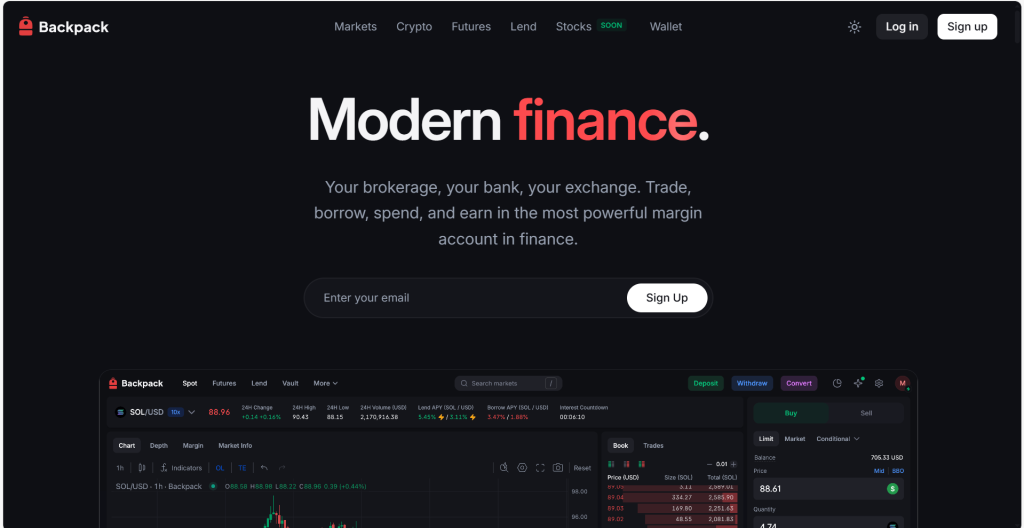
    backpack.exchange

    Where to Check BP Eligibility

    The safest path is to use Backpack’s own official pages:

    The official claim guide says users who have been part of the Backpack ecosystem may have a BP allocation waiting and explains how to review and claim it. The official points documentation also confirms that Backpack has been distributing points weekly based on user activity across products, which provides the clearest official background for why some users may now have allocations.

    How the Backpack Points System Worked Before BP

    Before the claim phase, Backpack already had a formal points program. Its support docs say points were distributed weekly based on user activity across all products, with criteria intentionally opaque, ranks tied to seasons, and special drops layered into the system. The same page lists season timelines, including that Season 4 started on November 20, 2025.

    This is important because it gives users an official explanation for why some accounts may have higher BP allocations than others. Backpack was not running a vague rumor farm. It had an actual, documented activity program in place.

    How to Claim BP Safely

    Backpack’s official claim article explains the process step by step. Users go to the official BP claim area, check their allocation, review the terms, and complete the claim through the Backpack environment. Backpack also has official education pages covering what BP is, how staking works, and how to buy BP after launch.

    That is the standard you should use:

    • start from an official Backpack page,
    • confirm the allocation there,
    • and only interact with the official claim flow.

    Do not rely on third-party “official airdrop” clones. Search results already show unrelated domains mimicking Backpack branding and claiming to be official BP claim portals. That is exactly the sort of situation where users get drained.

    What BP Is Supposed to Do After Claim

    According to Backpack’s official materials, BP is not just a token users dump and forget. Backpack describes it as a staking-based utility token. Staking BP can unlock lower fees, improved yields, free withdrawals, and other user benefits through the Backpack Participant Program. Backpack also says long-term BP stakers may become eligible for additional ecosystem benefits, subject to jurisdiction and regulatory conditions.

    That means users claiming BP should think not only about the initial allocation, but also about what Backpack is trying to do with the token over time.
    cryptoincomehub airdrop crypro

    Did Testnets and Social Media Alone Make You Eligible?

    That part is not clearly supported by the strongest official sources I found.

    The transcript claims that users who completed tasks, earned points, participated in testnets, or simply followed the project on social media from early on are eligible. The official Backpack sources I found strongly support the points side of that statement, because the points program is documented and the BP claim flow is real. But I did not find equally strong official Backpack documentation saying that generic early social following alone is a standalone eligibility path.

    So the better wording for readers is this: if you used Backpack products and participated meaningfully in the ecosystem, you should check the official claim page. Anything more specific than that should come from Backpack’s own official claim screen or support documentation.

    The Biggest Risk Right Now: Fake Backpack Claim Pages

    The existence of official BP pages creates a predictable scam wave.

    Search results already surface lookalike domains presenting themselves as “official” Backpack airdrop claim pages. When that happens, users should assume impersonation risk immediately and stick to Backpack-owned domains and Backpack-owned support articles.

    The safest approach is simple:

    Final Thoughts

    The Backpack BP claim phase is real, and users who were active in the Backpack ecosystem should absolutely verify their eligibility through the official Backpack environment. Backpack now has official pages for the BP token, the points program, and the claim process itself, which is exactly what users should rely on.

    At the same time, the usual crypto rule still applies: real claims happen through official project surfaces, not random links in descriptions. So if you think you may qualify, the move is simple — check through Backpack’s own pages, claim there if eligible, and ignore any fake “instant airdrop” clone trying to get your wallet first.

    FAQ

    Is the Backpack BP airdrop live?

    Yes. Backpack’s official BP page and official claim guide show that users can check and claim BP allocations.

    Where do I check Backpack BP eligibility?

    The safest place is the official Backpack BP page, along with the official claim guide and Backpack support center.

    Was Backpack running a real points program before BP?

    Yes. Backpack’s support docs say points were distributed weekly based on user activity across all products and tracked through seasonal ranks.

    Does simply following Backpack on social media guarantee eligibility?

    I did not find strong official Backpack sources confirming that by itself. The best-supported eligibility path is through actual Backpack ecosystem activity reflected in the official claim and points system.

    What does BP do after claim?

    Backpack says BP is a staking-based utility token that can unlock lower fees, higher yields, free withdrawals, and other platform benefits.


  • 10 Best Crypto Airdrop Sites in 2026 to Earn Free Tokens Safely

    10 Best Crypto Airdrop Sites in 2026 to Earn Free Tokens Safely

    Crypto airdrops still matter in 2026. Some rewards are tiny, but others can turn into meaningful payouts for users who get active early, stay consistent, and know where to look. The problem is that most people either use weak discovery tools or end up on sketchy claim pages. That is why choosing the right airdrop site matters as much as choosing the right project.

    The strongest platforms do not all solve the same problem. Some are built for wallet eligibility checks. Others focus on step-by-step farming guides, curated listings, calendars, or retroactive reward discovery. The best setup is usually a mix: one tool for tracking, one for checking past wallets, and one for learning how to qualify safely.

    Before getting into the list, it helps to keep one rule in mind: real airdrops do not require you to send crypto to “unlock” rewards. If a site asks for funds in exchange for tokens, that is a major red flag. Good airdrop platforms reduce that risk by surfacing verified opportunities, official links, or claim-check tools that do not require blind wallet connections.

    1. One Click Airdrop Tracker

    One Click Airdrop Tracker is built for users who want a more analytical airdrop dashboard. Its public listing page highlights tiered opportunities, claimable assets, retrodrops, and farming checklists in one place. The appeal here is structure: instead of endlessly scrolling random announcements, users get a more organized view of what is live, what is speculative, and what requires action.

    This is a strong fit for serious farmers who want to compare opportunities rather than just browse headlines.

    2. Drops

    Drops is one of the most practical tools on the market because it solves a very specific problem well: checking wallet eligibility without asking users to connect their wallet. The platform says users can paste wallet addresses to scan for unclaimed airdrops across hundreds of tracked opportunities, and it also offers Telegram alerts for new eligibility events.

    That makes Drops especially useful for retroactive rewards, old DeFi wallets, and users managing multiple addresses across different ecosystems.

    cryptoincomehub airdrop crypro

    3. AirdropAlert

    AirdropAlert has been around since 2017, which gives it more historical depth than many newer aggregators. The site positions itself as a long-running library of trusted airdrop campaigns, giveaways, and educational content, and its current site still emphasizes alerts, discovery, and ongoing updates.

    For beginners, that matters. AirdropAlert is easier to trust than a random new domain with no track record.

    4. Airdrops.io

    Airdrops.io continues to be a strong choice for people who want actual walkthroughs instead of bare listings. The site’s current pages emphasize step-by-step instructions, verified airdrops, and guides for farming potential rewards across Ethereum, Solana, Layer 2 ecosystems, and more.

    This is a good platform for users who want to understand what to do after finding an opportunity, not just where it exists.

    5. AirdropsMob

    AirdropsMob presents itself as a manually curated airdrop site with daily updates and a long-running presence in the niche. Its public site says it has been active since 2018 and focuses on verified airdrops, token giveaways, and related opportunities.

    The main advantage here is curation. Users who prefer a more filtered list rather than a giant feed of everything may find AirdropsMob easier to work with.

    6. ICO Drops

    ICO Drops is known first for ICO, IEO, and token sale tracking, but that is exactly why it can still be useful for airdrop hunters. The site focuses on active and upcoming crypto project rounds, ratings, and fundraising context, which can help users spot ecosystems early before token distribution becomes obvious.

    It is not the best site here for detailed farming guides, but it is useful for identifying projects that may later turn into serious airdrop candidates.

    7. FreeAirdrop.io

    FreeAirdrop.io leans into simplicity. Its public-facing pages describe it as a place to discover researched crypto airdrops and receive alerts about new opportunities. The value here is not complexity. It is accessibility.

    That makes it a decent option for users who want a straightforward place to monitor basic campaigns without dealing with a more advanced dashboard.

    8. AirdropBob

    AirdropBob takes a more category-driven approach. The site emphasizes verified cryptocurrency airdrops and is geared toward users who want a cleaner browsing experience rather than a heavy research interface.

    Its appeal is clarity. If you like exploring by verticals such as DeFi, gaming, AI, or exchanges, AirdropBob is easier to scan than some of the older, more cluttered aggregators.

    9. Bankless Claimables

    Bankless Claimables is different from the classic airdrop-list model. Instead of telling users what to farm next, it checks what a wallet may already be able to recover. The product says it can surface unclaimed airdrops, rewards, NFTs, and even expiring ENS-related items across networks including Ethereum, Solana, Sui, Arbitrum, Optimism, and Base.

    This is especially useful for experienced users who have old wallets, LP history, or forgotten on-chain activity.

    10. DappRadar

    DappRadar is broader than a typical airdrop site, but that is also its edge. The platform covers dapps, NFTs, games, tokens, quests, and airdrops across many ecosystems. Its current positioning includes reward opportunities and cross-category discovery, which makes it useful for users who want to combine airdrop hunting with wider on-chain research.

    It is a smart option for people who prefer quality and ecosystem context over a giant list of campaigns.

    cryptoincomehub airdrop crypro

    Which Airdrop Site Is Best for Different Users?

    If you want the fastest wallet scan, Drops and Bankless Claimables are the most useful tools on this list. If you want detailed farming instructions, Airdrops.io is stronger. If you want broader discovery with more context, One Click Airdrop Tracker, AirdropsMob, and DappRadar are better fits. Beginners will usually have the easiest time with AirdropAlert or Airdrops.io.

    The strongest workflow is usually:

    • use a tracker to discover opportunities,
    • use a wallet checker to find existing rewards,
    • and verify the final claim path through the project’s official site before signing anything.

    How to Stay Safe While Hunting Airdrops

    Airdrop farming still attracts scammers because it plays on greed and urgency. The safest rule is simple: never trust a claim just because an aggregator lists it. Use the aggregator to discover the opportunity, then confirm the final details through the project’s official website, docs, X account, or Discord. Sites like Drops and Bankless reduce risk by letting users check wallet eligibility without immediate wallet connection, which is a better first step than clicking random claim pages.

    Also keep your farming wallet separate from your main holdings wallet. Even good airdrop sites cannot protect you if you sign the wrong transaction on a fake project page.

    Final Thoughts

    The best crypto airdrop sites in 2026 do not just help users find “free tokens.” They help users filter noise, check old wallets, organize farming, and avoid obvious scams. Drops is hard to beat for wallet checks. Airdrops.io remains strong for guides. AirdropAlert still works well for beginners. Bankless Claimables is excellent for hidden rewards. And One Click Airdrop Tracker gives serious farmers a more structured research view.

    The real edge is not finding more rumors than everyone else. It is using better tools, staying early, and avoiding bad clicks.

    FAQ

    What is the best crypto airdrop site in 2026?

    There is no single winner for everyone. Drops is excellent for wallet eligibility checks, Airdrops.io is strong for detailed instructions, and One Click Airdrop Tracker is useful for more structured opportunity research.

    Which airdrop site is best for beginners?

    AirdropAlert and Airdrops.io are easier starting points because they combine listings with guidance and educational content.

    Which site is best for checking old wallets for unclaimed rewards?

    Drops and Bankless Claimables are the strongest picks for that use case.

    Are crypto airdrop sites safe?

    Some are useful, but no aggregator makes a final claim automatically safe. Users should still verify the project through official channels before connecting wallets or signing transactions.

    Do real airdrops ever ask you to send crypto first?

    That is usually a scam signal. Legitimate airdrops may require activity, gas fees, or prior usage, but sending crypto to “unlock” tokens is a major red flag.

  • 10 Crypto Airdrops to Farm in Q1 2026

    10 Crypto Airdrops to Farm in Q1 2026

    Airdrop farming still gives crypto users something few strategies can match: asymmetric upside without the need to ape into every token launch. In Q1 2026, the smarter play is not chasing whatever is trending on social media. It is building exposure across ecosystems that are still early, still rewarding activity, and still shaping their user base.

    Some of the strongest opportunities right now sit across testnets, Layer 2 networks, trading apps, quest platforms, and gamified ecosystems. A few require real on-chain activity. Others are free to farm. What matters most is consistency. Projects rarely reward the people who show up once at the last minute. They tend to favor users who interact early and keep coming back.

    Here are 10 crypto airdrops worth paying attention to in Q1 2026.

    1. ARK Network

    ARK Network looks like a serious testnet candidate for anyone building a Q1 farming portfolio. It has already been circulating in airdrop circles for a while, and the main appeal is straightforward: it is still in testnet, it has multiple dApps, and users can build activity without putting real capital at risk.

    That alone makes it attractive. Testnets are often where early users can get the cleanest exposure before an ecosystem becomes crowded. With ARK, the best approach is not overthinking it. Use the available dApps, stay active, and build a natural footprint across the network.

    Why it matters: early-stage testnet exposure with several participation paths.
    How to farm it: interact across the ecosystem consistently instead of doing a single burst of activity.

    2. Superchain / Optimism Ecosystem

    The Superchain remains a powerful airdrop narrative because it is not tied to a single app or one isolated chain. It is a full OP Stack ecosystem, and that scale is what makes it interesting. Users farming across multiple Superchain networks may be better positioned if future Optimism-related rewards take broad ecosystem activity into account.

    This is not the kind of opportunity you farm once and forget. It rewards routine. The more consistently a user interacts across different networks, builds volume, and stacks transactions, the stronger the on-chain signal becomes.

    Why it matters: deep ecosystem exposure across multiple Layer 2 networks.
    How to farm it: use different Superchain networks regularly and stay active over time.

    3. Titan

    Titan stands out for one simple reason: it is easy to use. For Solana users, that matters. There is no complicated learning curve here. The farming thesis is built around swapping, generating volume, and staying visible on the platform.

    The bigger narrative is competition. If Titan wants to carve out a bigger role in the Solana ecosystem, rewarding loyal users would be a logical move. That is exactly why it remains worth tracking.

    Why it matters: simple farming flow on Solana with a plausible user-reward angle.
    How to farm it: swap back and forth, build volume, and keep the activity looking organic.

    4. Forte

    Forte has a different feel from the usual high-volume farming opportunities. This one is more about early recognition than brute-force transaction count. The current path appears to run through quest completion, especially through Galaxy and the Pioneer Stone flow.

    That can be more valuable than it looks. When a network is still quiet, early participants often carry more weight than users who flood in later after the hype begins. Forte fits that kind of setup well.

    Why it matters: low-friction quests in an ecosystem that still feels early.
    How to farm it: finish the available tasks quickly and monitor for new opportunities before the crowd arrives.

    5. Decibel

    Decibel brings a different angle because it sits on Aptos and revolves around a perps DEX testnet. That makes it more hands-on than a simple social quest campaign. Users are not just clicking buttons. They are trading, building volume, and trying to perform well in a test environment.

    That structure will appeal to a specific type of farmer. If you enjoy perp-style trading or want to practice in a no-risk environment, Decibel offers a more interactive route than most free testnet plays.

    Why it matters: free Aptos-based testnet farming with trading behavior at the center.
    How to farm it: trade consistently, aim for positive PnL, avoid wash-style behavior, and hold positions longer when possible.

    6. Feros

    Feros has been around long enough to reward users who stick with it. By Q1 2026, it has already gone through multiple phases, and the Atlantic testnet continues to give users fresh actions to complete. Daily check-ins, faucet usage, quests, NFTs, and badges all feed into the broader participation story.

    This is not a flashy farm. It is a consistency farm. The users most likely to benefit are the ones who keep showing up, not the ones who rush in only when rumor season gets loud.

    Why it matters: layered participation across recurring testnet actions.
    How to farm it: collect faucet tokens, check in daily, complete new quests, and grab badges or NFTs when available.

    7. Tempo

    Tempo feels like the type of testnet that could get very large very quickly if the ecosystem keeps building momentum. A big part of its appeal comes from structure. Superboard makes it easier to work through native quests without manually hunting through every app in the network.

    That sounds like a small convenience, but it matters. One of the easiest ways to farm badly is to miss tasks simply because the ecosystem is too fragmented. Tempo solves that problem better than most.

    Why it matters: organized quest flow inside a high-upside testnet narrative.
    How to farm it: complete as many ecosystem quests as possible and stay updated as new tasks go live.

    cryptoincomehub airdrop crypro

    8. Unichain

    Unichain deserves more attention than it gets. It sits inside the broader Superchain and carries strong symbolic weight because of its connection to Uniswap. That history matters. Few names in crypto are as closely tied to legendary airdrop discussions as Uniswap.

    That does not guarantee anything, but it does create a strong reason to stay active. If Unichain ends up rewarding users, the combination of network usage, ecosystem activity, and brand association could make it a meaningful play.

    Why it matters: strong brand gravity plus OP Stack positioning.
    How to farm it: use the network regularly, interact with live dApps, and keep building a steady record of activity.

    9. Billions Network

    Billions Network is much lighter operationally than some of the other names on this list. It leans more toward points, daily rewards, referrals, and simple tasks than deep on-chain complexity. For a lot of users, that is a feature, not a weakness.

    Not every airdrop needs to come from a complex DeFi workflow. Sometimes the best addition to a farming portfolio is a low-friction ecosystem that rewards steady participation and community presence.

    Why it matters: simple entry point with daily engagement mechanics.
    How to farm it: claim daily rewards, complete social and profile tasks, and stay engaged in the community.

    10. Abstract Network

    Abstract Network has a more gamified feel than most of the other opportunities here. XP, badges, tiers, and daily ecosystem participation all play a role. That gives users several ways to progress instead of forcing them into one narrow farming path.

    It is not necessarily the cleanest “in and out” airdrop opportunity. It is better suited for users who do not mind building score over time. The reward structure appears designed to favor people who stay involved rather than those who just show up for a day.

    Why it matters: gamified progression model with repeatable ecosystem actions.
    How to farm it: earn XP steadily, collect badges, and stay active enough to move up the reward tiers.

    cryptoincomehub airdrop crypro

    How to Approach These Airdrops More Strategically

    The mistake most users make is trying to brute-force every opportunity the same way.

    That does not work.

    A better approach is to split them by type. Use ARK, Decibel, Feros, and Tempo as free or mostly free testnet exposure. Use Superchain, Unichain, and Titan for mainnet activity and transaction history. Use Forte, Billions, and Abstract for quests, points, XP, and community-style participation.

    That mix gives you a more balanced setup. If one project disappoints, the whole strategy does not collapse.

    Final Thoughts

    Q1 2026 offers a strong mix of airdrop opportunities across testnets, Layer 2 ecosystems, Solana products, Aptos infrastructure, and gamified platforms. Some of these plays are easy to start. Others need more consistency. But they all reward the same basic behavior: show up early, stay active, and avoid treating farming like a last-minute scramble.

    That is still where the edge lives.

    FAQ

    What are the best crypto airdrops to farm in Q1 2026?

    Strong candidates include ARK Network, Superchain, Titan, Forte, Decibel, Feros, Tempo, Unichain, Billions Network, and Abstract Network.

    Are these airdrops free to farm?

    Some are fully free, especially testnets and quest-based ecosystems. Others require mainnet activity such as swaps, network usage, or repeated transactions.

    Which airdrops are easiest for beginners?

    Billions Network, Forte, and Abstract are easier starting points because they rely more on simple tasks, points, and repeated ecosystem usage. Titan is also approachable for users comfortable with basic Solana swaps.

    Which opportunities fit advanced users better?

    Superchain, Unichain, Tempo, and Decibel will likely appeal more to users who are comfortable with multi-network activity, structured testnet participation, and trading-style engagement.

    What is the best farming strategy in 2026?

    Build exposure across several categories at once: free testnets, active mainnet ecosystems, and point-based or quest-based platforms. That spreads risk and improves the chance of landing a meaningful reward.

  • How to Make Your First $1,000 From Crypto Airdrops in 2026

    How to Make Your First $1,000 From Crypto Airdrops in 2026

    Crypto airdrops remain one of the few ways in Web3 to turn a small amount of capital, and sometimes almost none at all, into meaningful returns.

    That is why so many users still treat airdrop farming as one of the best entry points into crypto in 2026. While meme coins may offer explosive upside, airdrops appeal to a different type of user: the one who wants to earn by being early, active, and consistent.

    And that is the real opportunity.

    The question is no longer whether more big airdrops will happen in 2026. The real question is which projects will pay next, how large those rewards will be, and who will be positioned early enough to benefit.

    For beginners, that makes one goal especially attractive: earning the first $1,000 from crypto airdrops.

    Why Crypto Airdrops Still Matter in 2026

    Airdrops continue to matter because they solve a major problem for crypto projects.

    New protocols need users. They need liquidity, community traction, real on-chain activity, and early supporters who are willing to test products before the mainstream arrives. One of the best ways to attract that behavior is by rewarding early users with tokens later.

    That is exactly why airdrops still work.

    Instead of buying a token after the market has already discovered it, airdrop farmers try to get involved before the token even exists. When the strategy works, it can produce some of the highest-efficiency returns in crypto.

    That is also why many users see airdrops as more realistic than constantly chasing speculative trades.

    Why Airdrops Can Be More Powerful Than Meme Coins

    Meme coins get most of the attention because they offer the dream of 100x or 200x gains.

    But airdrops play a different game.

    The appeal is not just about percentage returns. It is about starting from a very small base and still ending up with something meaningful. In practical terms, turning a tiny amount of capital into hundreds or thousands of dollars through airdrops can be more achievable than trying to find the next meme coin before everyone else.

    That is what makes airdrop farming so attractive in 2026.

    For many users, it is one of the only strategies in crypto that still feels like a real asymmetric opportunity.

    Can You Really Make $1,000 From Crypto Airdrops?

    Yes, but not by treating airdrops like random luck.

    The users who consistently earn from airdrops usually do three things differently:

    They get involved early.
    They stay active over time.
    They approach airdrop farming like a system instead of a one-time bet.

    That last point matters most.

    Airdrop farming is not just about opening one wallet, making one transaction, and hoping for the best. The biggest rewards usually go to users who look real on-chain, interact consistently, and build history across promising ecosystems.

    So yes, reaching your first $1,000 is possible. But it usually comes from discipline, not shortcuts.

    How to Make Your First $1,000 From Crypto Airdrops in 2026

    The most effective way to think about this is step by step.

    1. Focus on Real Projects, Not Random Hype

    The biggest airdrops rarely come from weak projects with no users.

    They usually come from ecosystems that already have momentum, real activity, and a reason to exist beyond farming. That means your time is better spent on serious protocols than on low-quality campaigns designed only to attract desperate users.

    A good airdrop target usually has at least one of these traits:

    • strong product-market fit;
    • growing user activity;
    • real on-chain usage;
    • active development;
    • no token yet, or unclear reward structure;
    • signs that the team wants user growth.

    This is where most beginners go wrong. They try to farm everything and end up wasting time on low-value opportunities.к

    Polymarket airdrop crypro

    2. Start Early, Because Timing Is Everything

    By the time an airdrop becomes obvious to everyone, the edge is usually smaller.

    The best rewards often go to users who interact before the crowd arrives. That is why early positioning matters so much. You are not just farming activity. You are farming time.

    A user who shows up early, stays active, and keeps using a platform naturally usually looks much better than someone who rushes in at the last minute after rumors go mainstream.

    If your goal is to make your first $1,000, this point alone can make a huge difference.

    3. Stay Consistent Instead of Chasing One Big Win

    One transaction is rarely enough.

    Projects want to reward real users, and real users usually behave in a way that looks natural over time. They bridge more than once, make repeated swaps, revisit apps, test new features, and remain active across weeks or months.

    That means consistency matters more than one large interaction.

    Airdrop farming works best when you stop asking, “What is the one project that will make me rich?” and start asking, “What set of good projects can I build steady exposure to over time?”

    That is how the first $1,000 usually happens.

    4. Use Small Capital Efficiently

    Airdrop farming does not always require large capital.

    In many cases, what matters more is thoughtful participation. Small deposits, repeated interactions, and smart use of funds often matter more than trying to look like a whale for one day.

    This is good news for beginners.

    If you can rotate a modest amount of capital across promising opportunities, cover gas when needed, and avoid unnecessary losses, you can still build meaningful eligibility in multiple ecosystems.

    The key is not to overextend just because a future reward feels possible.

    5. Treat Airdrop Farming Like a Routine

    The people who make the most from airdrops are usually not the most emotional. They are the most organized.

    They set aside time each week. They revisit protocols. They track which ecosystems they are farming. They know which wallets they used. They stay patient. And they avoid panicking if rewards take longer than expected.

    That kind of routine is what turns airdrop farming from random clicking into a repeatable strategy.

    If you want your first $1,000, stop approaching airdrops like lottery tickets and start treating them like a process.

    6. Think in Terms of Portfolio Outcomes

    Not every airdrop will pay.

    That is normal.

    Some projects will never launch tokens. Some will reward less than expected. Some will disappoint. But that does not break the strategy. The goal is not perfection. The goal is exposure across enough strong opportunities that one or two good wins cover the rest.

    This portfolio mindset is what makes airdrop farming powerful.

    You are not depending on one miracle. You are stacking multiple chances at asymmetric upside.

    Why 2026 Still Looks Strong for Airdrop Farmers

    The opportunity is still alive because crypto keeps creating new sectors, new protocols, and new reasons for teams to reward users.

    As long as projects need traction, liquidity, and community growth, airdrops will remain one of the most effective tools in Web3. That means there will continue to be room for users who are willing to do the work before rewards become obvious.

    And that is the edge.

    Most people only care about airdrops after someone posts screenshots of profits. By then, the biggest opportunity is often gone. The people who benefit most are usually the ones who were already positioned before the excitement started.

    The Biggest Mistake Beginners Make

    The biggest mistake is expecting instant results.

    Airdrop farming rewards patience. Some of the best outcomes come after months of steady activity, not after one weekend of trying to force eligibility everywhere.

    The second mistake is focusing only on reward size instead of quality of opportunity. Many beginners waste time chasing small, noisy, low-trust campaigns while ignoring better long-term setups.

    If your goal is to make your first $1,000, patience and selectivity will take you further than constant urgency.

    Final Thoughts

    Crypto airdrops remain one of the most attractive wealth-building opportunities in Web3 because they give users a chance to earn meaningful upside from a very small starting point.

    That is what makes them special.

    Turning $0 into $1,000 with crypto airdrops in 2026 is not about magic, luck, or hype. It is about positioning early, choosing better projects, staying consistent, and thinking long term.

    For users willing to treat airdrop farming seriously, that first $1,000 is still one of the most realistic milestones in crypto.

    FAQ

    Can beginners really make $1,000 from crypto airdrops?

    Yes, but it usually takes time, consistency, and the right project selection. Most successful airdrop farmers do not rely on one single project.

    Do you need money to start airdrop farming?

    Some airdrops require little or no capital, while others may require gas fees, bridging, trading, or liquidity provision. The entry barrier is often much lower than traditional investing.

    Are airdrops safer than meme coins?

    They are different. Meme coins are more direct speculation, while airdrops often reward product usage. Airdrops can still involve risk, but many users prefer them because they do not always require buying volatile tokens upfront.

    How long does it take to earn from airdrops?

    It varies. Some rewards come quickly, while others take months. The strongest results usually come from users who stay patient and active over time.

    What is the best mindset for airdrop farming in 2026?

    Think like a builder, not a gambler. Focus on strong ecosystems, build real activity, stay organized, and approach airdrops like a long-term system.