If you are looking for crypto reward opportunities in 2026, perp trading platforms still deserve attention. They generate real activity, they can measure user behavior cleanly, and they are increasingly using points systems to reward early participation before or alongside token-related events.
Three names keep coming up in that conversation: Pacifica, Hibachi, and Backpack.
Each one is different. Pacifica is a Solana-based perp DEX with a live points interface and referral system. Hibachi is running a weekly points program through its exchange. Backpack already has an official, multi-season points framework documented in its support center. What matters is not just hype around these platforms. It is whether their reward mechanics are real, active, and visible through official project surfaces. (Pacifica, Hibachi Docs, Backpack Support)
That is exactly why these three deserve a closer look.
1. Pacifica: Solana Perp DEX With a Live Points Program
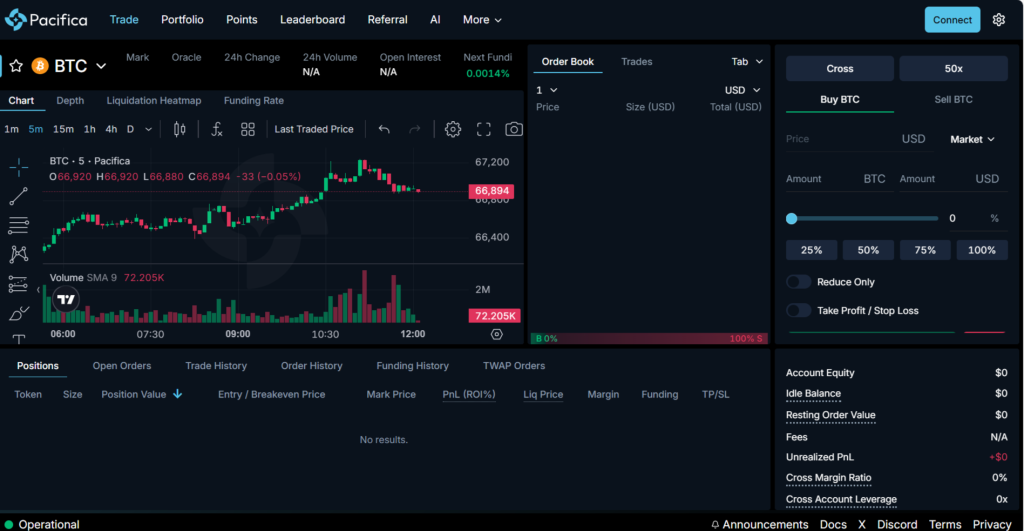
Pacifica is a decentralized perpetual exchange on Solana. Its live app includes a dedicated Points page, a Leaderboard, and a Referral section, which makes it clear that the reward infrastructure is already active inside the product. The app states that weekly points are distributed after each snapshot and that users can earn points through trading activity. (Pacifica Points, Pacifica Leaderboard)
That is the first reason Pacifica stands out. Users are not farming a rumor with no product behind it. They are interacting with a live exchange that publicly tracks trading activity, points, leaderboards, and referrals.
Why Pacifica Is Attracting Attention
Pacifica is appealing because it looks early relative to larger, more crowded perp narratives. The app also exposes enough structure to let users see how the ecosystem is evolving. There is a live points page, events, trading competitions, and referral functionality. That kind of visibility is usually a positive sign for serious farmers because it reduces guesswork. (Pacifica Events, Pacifica Referral)
There is still an important caveat here: a live points program is not the same thing as a guaranteed token payout. Pacifica’s official pages show that the points system exists, but they do not publicly guarantee a specific future token value, airdrop percentage, or FDV-based payout outcome. That part remains speculative. (Pacifica Points)
How Users Typically Farm Pacifica
The simplest farming path is straightforward:
- create an account or connect a wallet through the official Pacifica app,
- trade on the exchange,
- monitor your position through the Points page,
- and track relative performance via the Leaderboard.
Some advanced users try to minimize directional exposure with hedged or delta-neutral setups, but that does not make the strategy risk-free. It still involves fees, liquidation risk if managed poorly, and the possibility that future points-to-token economics disappoint. This is not beginner territory.
Why Pacifica Could Matter in 2026
Pacifica already has the pieces reward farmers care about: product usage, measurable activity, recurring point distribution, and a transparent in-app reward dashboard. That does not guarantee a huge future outcome. It does make Pacifica a legitimate project to watch rather than just another vague farm.
2. Hibachi: Underfollowed Perps Platform With Fixed Weekly Point Emissions
Hibachi has one of the cleaner official points descriptions available right now. Its documentation says Hibachi Points are distributed every Monday at 3:00 UTC, with a fixed total of 1,000,000 points per epoch. The docs also state that points are based on activity on the exchange, that referrals influence rewards up to three levels deep, and that abusive practices such as wash trading or multi-account farming can trigger disqualification or adjustment.
That clarity matters.
A lot of reward systems stay vague on purpose. Hibachi still keeps some details discretionary, but the core structure is public: fixed weekly emissions, activity-based calculation, referral boosts, and explicit anti-abuse language.
Why Hibachi Is Interesting
Hibachi feels less saturated than some better-known farming venues, which is exactly why people are starting to look harder at it. The official docs confirm that the points program is live, and the exchange is tied to a recognizable team lineage through Hashflow-adjacent branding and documentation context, even though users should not assume that means any particular token outcome is guaranteed.
The real draw is simple: if a platform is still relatively underfarmed while fixed weekly points are already being emitted, early users may benefit more than late users if the user base expands.
How Hibachi Farming Works
Users farm Hibachi by interacting with the exchange and building real activity. The official docs say point calculations depend on exchange usage and referrals. That means the core strategy is not complicated in theory: use the product, stay active, and avoid behavior that looks manipulative or artificial.
The platform also makes it clear that points are distributed on a weekly rhythm. That gives users a more predictable cadence than purely opaque systems where rewards appear randomly or only after long inactive periods.
Why Caution Still Matters
What is not confirmed publicly is the final token outcome. A live points program does not automatically mean a token generation event is coming soon, and it definitely does not confirm any future per-point dollar value. That is why Hibachi is best understood as an active points opportunity, not as a guaranteed airdrop payout machine.
3. Backpack: The Most Structured Points Program of the Three
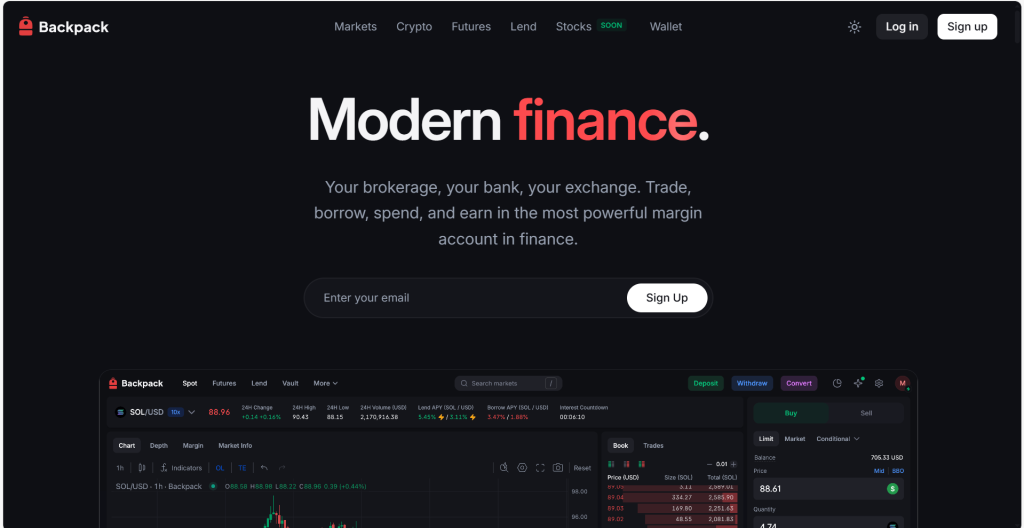
Backpack is the most mature reward framework on this list. Its official support docs openly document the exchange’s points program, including season timelines, weekly distribution rules, rank tiers, and special drops. According to Backpack, points are distributed every Friday at 02:00 UTC based on user activity across all products, while the evaluation criteria remain intentionally opaque. The docs also note that Season 4 began on November 20, 2025, and that users can view their points and rank directly through the official points page.
That level of structure gives Backpack a different profile from Pacifica and Hibachi. It looks less like an emerging farm and more like an ongoing, formalized reward ecosystem.
Why Backpack Still Deserves Attention
Some users assume Backpack is already too crowded. That is a reasonable concern. But the official system is still live, seasons are still being documented, and weekly points are still being distributed. That means the opportunity is not “gone.” It is simply more mature and more competitive.
There is another advantage here: Backpack’s support materials are unusually explicit. Users can see that ranks reset by season, that the system spans products, and that Backpack reserves the right to adjust criteria or previous point distributions. That is not perfect transparency, but it is much better than trying to farm a product with no rules page at all.
How Backpack Farming Works
At the highest level, users earn points based on activity across Backpack products. The system uses weekly distribution, seasonal rank tiers, and periodic special drops. Backpack’s docs explicitly say the program is designed to reward users who contribute to the platform’s growth.
So the practical farming path is:
- sign up through Backpack Exchange,
- use the exchange products actively,
- monitor your standing through the Backpack points page,
- and understand that criteria may shift over time.
Why Backpack May Still Be Worth Farming
Backpack is not appealing because it is hidden. It is appealing because the reward system is official, live, and already battle-tested across multiple seasons. That reduces uncertainty about whether the program exists at all. The uncertainty is mostly about future value, not about the framework.
Which of These Three Looks Strongest?
That depends on what kind of user you are.
Pacifica is attractive if you want something earlier and more visibly underfollowed, with a live points page and Solana-native perp activity. Hibachi is appealing if you want fixed weekly point emissions and a cleaner, less crowded setup with official docs supporting the reward system. Backpack is the most structured option, with the strongest official documentation and the clearest ongoing program mechanics.
A more practical framing looks like this:
- Pacifica: earlier-stage feel, strong upside narrative, more speculation around future value
- Hibachi: underfollowed points program, fixed weekly distribution, still speculative on final token economics
- Backpack: most official and most structured, but also more competitive and more crowded
The Biggest Mistake Farmers Make With Perp DEX Reward Systems
The biggest mistake is treating points like guaranteed profit.
That is not how this works.
All three projects have real reward mechanics on official surfaces. What none of them publicly guarantee is the exact future dollar outcome the way a YouTube spreadsheet might imply. Fees are real. Trading losses are real. Opportunity cost is real. And even a successful token launch can underperform expectations.
That is why the best way to farm these systems is with discipline:
- size activity carefully,
- avoid overtrading just for points,
- verify rules through official docs,
- and do not assume a points dashboard equals risk-free money.

Final Thoughts
If you are looking for the top crypto reward opportunities in 2026, Pacifica, Hibachi, and Backpack are all worth tracking.
Pacifica gives users a live Solana perp DEX with points, referrals, and visible activity tracking. Hibachi offers a live points program with fixed weekly emissions and explicit anti-abuse rules. Backpack brings the most formalized structure, with official seasons, rank tiers, and weekly distribution documented in its support center.
That makes all three relevant. The real question is not whether they are interesting. It is how much risk, effort, and patience you are willing to commit before the wider market piles in.
FAQ
What are the top 3 crypto airdrops or points farms to watch in 2026?
Three of the more interesting names right now are Pacifica, Hibachi, and Backpack, because each has an official live reward or points framework.
Does Pacifica have an official points system?
Yes. Pacifica’s app includes an official Points page that says weekly points are distributed after snapshots and earned through trading activity.
How often does Hibachi distribute points?
Hibachi’s docs say points are distributed every Monday at 3:00 UTC, with a fixed total of 1,000,000 points per epoch.
Is Backpack still worth farming in 2026?
It can be, especially for users who prefer a more mature and clearly documented reward program. Backpack’s official support docs show that its points system is still live and season-based.
Are these points guaranteed to turn into profitable token rewards?
No. The points systems are real, but specific future token value or per-point payout outcomes are still speculative unless officially announced by the project.